
Important Takeaways
- Always verify counterparty identity, contract code, and registration status.
- Use hardware wallets and cold storage for long-term holdings.
- Enable multi-factor authentication and avoid reusing credentials.
- Beware of romance/“pig butchering,” deepfake impersonation, rug pulls, fake wallets, and phishing.
- Diversify investments and limit exposure to high-return “guaranteed” schemes.
- Use blockchain analytics, check on-chain flows, and stay updated on regulatory alerts.
The Growing Wave of Crypto Fraud in 2025
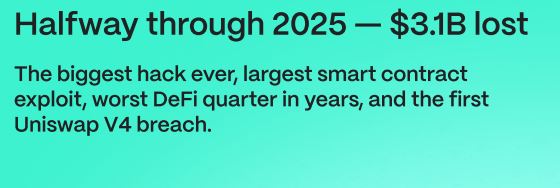
The crypto market in 2025 continues to attract both innovation and exploitation. Unfortunately, scams have evolved just as fast as technology. According to Ledger, investors lost nearly $3.1 billion in the first half of 2025 alone.
Moreover, Chainalysis found that crypto crime activity increased by about 21 % year over year, with private key compromises driving almost half of total losses. These alarming figures highlight why every investor needs a crypto scam prevention guide for investors tailored for today’s advanced fraud tactics.
Therefore, learning how to avoid cryptocurrency scams 2025 isn’t optional—it’s essential to protect your digital assets and peace of mind.
Top Cryptocurrency Investment Scams to Watch Out For
Fraudsters are becoming more creative, using emotional manipulation, AI tools, and DeFi loopholes. Below are major scams dominating headlines in 2025.
Pig Butchering (Romance Investment Scams)
This scam combines emotional deception and financial exploitation. Criminals build relationships online, earn trust, and then promote fake crypto investments. Victims often see small “profits” first, which encourages larger deposits that later disappear.
Warning signs: exaggerated affection, sudden financial advice, and requests to use “exclusive” platforms.
Deepfake and AI Impersonation Scams
In 2025, scammers increasingly use AI to create lifelike deepfakes of celebrities, executives, or even exchange representatives. They host video calls, share forged IDs, and convince victims to transfer funds.
Always verify identities through official channels before acting on any investment request.
Address Poisoning and Copy-Paste Traps
Attackers subtly replace a wallet address in your clipboard with their own. When you paste it, your funds go straight to them. To avoid this, double-check every wallet address—especially the first and last few characters—before confirming a transaction.
Rug Pulls and Fake Token Projects
Some developers launch flashy DeFi tokens, generate hype, and then drain liquidity pools. These rug pulls remain rampant on unregulated exchanges. Look for third-party audits, transparent teams, and long-term liquidity locks before investing.
Fake Wallet Apps and Exchange Clones
Fraudsters create near-perfect copies of trusted crypto wallets and exchange apps. Unsuspecting users log in, unknowingly exposing private keys. Always download software directly from verified app stores or official project websites.
Pump-and-Dump and HYIP Schemes
Groups coordinate to inflate token prices artificially. Once new investors jump in, insiders dump holdings for profit. Meanwhile, High-Yield Investment Programs (HYIPs) promise unrealistic returns—another red flag that seasoned traders recognize immediately.
Crypto Scam Prevention Guide for Investors
A proactive defense strategy is the best protection. The following measures help investors stay ahead of evolving scam tactics.
Conduct Deep Research Before Investing
Start with due diligence. Check project whitepapers, verify team members through LinkedIn, and confirm if the token has undergone smart contract audits. If on-chain activity shows suspicious fund transfers, reconsider your involvement. Moreover, read independent reviews and community discussions for red flags.
Strengthen Wallet Security
Using a hardware wallet is one of the safest ways to store crypto. It keeps your keys offline, safe from hackers. Additionally, use unique passwords, enable two-factor authentication, and never share seed phrases. If someone asks for it, it’s automatically a scam.
Choose Regulated Platforms
Only trade on well-known exchanges with verified licenses. Before depositing, confirm the site URL—many phishing clones mimic genuine platforms with minor spelling changes. Secure connections (https://) and valid SSL certificates are must-haves.
Diversify and Limit Risk
Even legitimate projects can fail. Spread your investments across multiple assets and sectors. Avoid putting all your funds into one token, particularly if it’s a newly launched or low-cap project promising quick profits.
Stay Emotionally Grounded
Scammers exploit emotions—fear, greed, or love. Whenever you feel pressured to “act fast,” take a step back. Genuine opportunities remain open; scams rely on urgency.
Keep Learning and Stay Updated
Follow credible sources like Elliptic, Chainalysis, and Ledger Academy for new threat reports. Subscribe to newsletters, attend webinars, and use scam alert services to receive early warnings.
What to Do If You Suspect a Scam
Even the most careful investors can fall victim. When that happens, time matters.
Take Immediate Action
First, move your remaining funds to a new wallet. Next, notify your exchange or wallet provider. Many now cooperate with blockchain forensics firms to track and freeze stolen assets.
Report and Warn Others
Report to local cybercrime authorities and post in verified crypto communities. Sharing details can help others avoid similar traps. Keep transaction records and chat logs as proof for potential investigations.
Final Thoughts
As crypto adoption expands, so do scams. However, by applying these strategies and thinking critically, investors can drastically reduce risk. Knowing how to avoid cryptocurrency scams 2025 means understanding that vigilance is your strongest shield. Stay informed, cautious, and skeptical—because in the world of digital assets, awareness equals protection.
Read Also: Stablecoins in 2025: Risks, Benefits, and Global Adoption
Disclaimer!! The information provided by CryptopianNews is for educational and informational purposes only. It should not be considered financial or investment advice. Cryptocurrency markets are highly volatile and speculative, and investing in them carries inherent risks. Readers are advised to conduct their own research and consult with a qualified financial advisor before making any investment decisions.

- Fed Balance Sheet Reduction Shakes Global Markets - January 30, 2026
- Inside the White House Crypto Meeting on Digital Assets - January 28, 2026
- Wall Street Warns: US Crypto Policy Clouds the Market - January 26, 2026