

Important Bullet Points
- Oil-linked capital from the Middle East is entering Bitcoin through regulated investment products.
- Sovereign wealth funds prefer spot Bitcoin ETFs for compliant market exposure.
- Abu Dhabi has emerged as a major hub for institutional Bitcoin accumulation.
- Portfolio diversification away from hydrocarbons is accelerating crypto adoption.
- Long-term allocation strategies dominate over short-term speculation.
Why Middle East Investors Are Buying Bitcoin
The discussion around why middle east investors are buying bitcoin centers on capital diversification, liquidity control, and long-term value preservation. Oil-rich economies have generated surplus capital for decades. However, investors are now rethinking how that wealth should compound in a shifting global system. Bitcoin has entered this conversation as a strategic asset rather than a speculative trade.
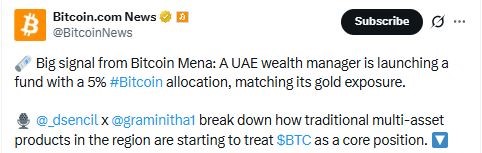
According to Report, oil-linked investors are fueling Bitcoin’s next liquidity wave through institutional-grade vehicles. This capital movement reflects careful planning rather than impulsive market behavior. Gulf investors are aligning Bitcoin exposure with macroeconomic objectives and evolving portfolio frameworks.
Oil Wealth and the Search for Alternative Assets
Shifting Capital Allocation Models
Oil revenues remain substantial, yet price cycles introduce recurring volatility. As a result, capital managers are actively reducing dependence on commodity-linked assets. Bitcoin offers an alternative with a distinct supply structure and global liquidity access.
Many oil rich countries cryptocurrency investments now focus on digital assets that operate independently of traditional commodity cycles. Bitcoin’s fixed issuance schedule appeals to investors seeking predictability in a fragmented macro environment. This shift represents a broader reassessment of risk rather than a rejection of oil-driven wealth.
From Physical Assets to Digital Scarcity
Historically, Gulf investors favored real estate, infrastructure, and equities. Today, Bitcoin provides exposure to digital scarcity without geographic constraints. Its portability and settlement efficiency strengthen its appeal to capital allocators managing cross-border portfolios.
This transition aligns with regional ambitions to modernize financial systems and attract global capital. Digital assets support these objectives more efficiently than legacy instruments.
Institutional Gateways Driving Bitcoin Demand
Spot Bitcoin ETFs as Preferred Vehicles
Spot Bitcoin ETFs have become the primary access point for Middle Eastern capital. These products hold Bitcoin directly, which ties inflows to real market demand. Institutional investors prefer this structure because it reduces custody and compliance risks.
As per reports that Gulf-linked capital increasingly enters Bitcoin through ETF inflows. This approach allows investors to gain exposure while maintaining regulatory clarity. As a result, Bitcoin demand becomes more stable and less speculative.
Regulated Infrastructure Matters
Institutions avoid operational uncertainty whenever possible. Regulated ETFs provide audited structures, clear reporting, and established custodians. These features align with the risk frameworks used by sovereign and private funds alike.
This infrastructure lowers friction and supports long-term allocation strategies. It also improves market depth, which benefits broader price stability.
Sovereign Wealth Funds Bitcoin Allocation Strategy
Abu Dhabi Leading the Trend
Abu Dhabi-based sovereign entities have played a central role in Bitcoin adoption. Public disclosures show growing ETF positions tied to Bitcoin exposure. These decisions reflect strategic positioning rather than experimental investing.
The sovereign wealth funds bitcoin allocation strategy emphasizes gradual accumulation during market pullbacks. Funds treat Bitcoin as a multi-cycle asset, not a short-term hedge. This disciplined approach mirrors strategies used for equities and alternative investments.
Long-Term Capital Perspective
Sovereign funds operate on generational timelines. Bitcoin fits this model due to its capped supply and increasing institutional integration. Rather than chasing momentum, funds focus on cost-averaged exposure and liquidity preservation.
This methodical approach signals confidence in Bitcoin’s role within future financial systems. It also encourages other institutions to follow similar frameworks.
Private Wealth and Family Office Participation
Generational Wealth Transfer Dynamics
Younger decision-makers within Gulf family offices favor digital-native assets. Bitcoin resonates with this group due to transparency and technological relevance. Advisors now integrate Bitcoin exposure to meet evolving client expectations.
Private banks have responded by offering ETF-based access and structured products. These offerings maintain compliance while meeting demand for innovation.
Risk Management and Portfolio Balance
Family offices prioritize capital preservation. Bitcoin allocations typically remain modest but intentional. These positions serve as asymmetric upside plays within diversified portfolios.
This measured exposure reflects professional risk management rather than speculative enthusiasm.
Oil Rich Countries Cryptocurrency Investments and Market Impact
Liquidity Effects on Bitcoin Markets
Oil-linked capital adds depth to Bitcoin’s order books. Large inflows through ETFs reduce volatility over time. Institutional participation narrows spreads and improves execution efficiency.
As oil rich countries cryptocurrency investments expand, Bitcoin’s market structure continues to mature. This evolution attracts additional institutional capital from outside the region.
Strategic Timing and Market Cycles
Gulf investors often deploy capital during periods of consolidation. This behavior contrasts with retail-driven momentum cycles. By buying during weakness, institutions support long-term price discovery.
Such timing reflects experience gained from managing cyclical commodity markets.
Financial Hubs Supporting Crypto Growth
Abu Dhabi Global Market Infrastructure
ADGM has positioned itself as a regulated hub for digital assets. It supports custody providers, exchanges, and institutional brokers. This ecosystem enables large-scale Bitcoin transactions without regulatory ambiguity.
Cointelegraph highlights how this infrastructure supports regional crypto adoption. Institutions gain confidence when operational risk remains controlled.
Regional Competition Driving Innovation
Other Middle Eastern financial centers are expanding crypto frameworks. This competition accelerates innovation and attracts global firms. Bitcoin benefits as a standardized asset within these evolving systems.
Improved infrastructure strengthens investor confidence across the region.
Strategic Implications for Global Markets
Oil-driven capital entering Bitcoin reshapes liquidity patterns worldwide. Sovereign participation legitimizes Bitcoin as an institutional asset class. This trend reduces reliance on retail sentiment for price discovery.
As capital flows diversify, Bitcoin integrates further into global portfolios. The Middle East plays a growing role in this transformation, supported by capital discipline and strategic vision.
Read Also: Bitcoin banking in Middle East: A $200T Vision

- Why Stablecoins Are a Growing Threat to Traditional Bank Deposits - January 28, 2026
- Rich Dad Poor Dad Author’s Bitcoin Loss: Capital Rotation Strategy Gone Wrong - January 25, 2026
- What is Corposlop in Crypto: Vitalik Buterin’s Warning About Centralized Crypto Platforms - January 21, 2026