

- Bitcoin price often dips near month-end due to portfolio rebalancing, profit-taking, and liquidity needs from institutional investors.
- Early-month inflows usually push prices upward, supported by institutional activity.
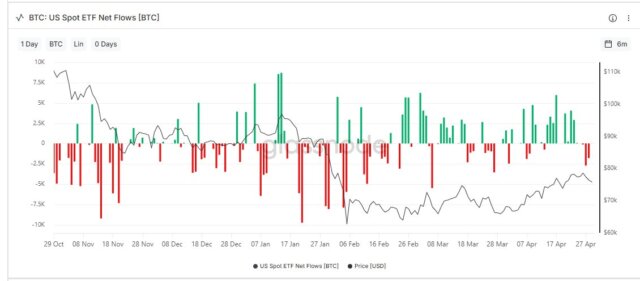
- Recent ETF outflows may look bearish, but they often reflect structural resets—not trend reversals.
The crypto market follows patterns more often than people realize. One recurring trend is how the bitcoin price behaves around the end and start of each month. Investors frequently see short-term declines before a fresh wave of buying kicks in during the early days of a new month. This cycle is not random. Instead, it reflects how institutions, funds, and retail investors manage their capital. Understanding this pattern can help traders make smarter decisions without reacting emotionally to short-term movements.
Why End-of-Month Corrections Are Normal in bitcoin price
As the month comes to a close, markets often shift into a “risk-off” mode. Traders lock in profits, especially after a strong run earlier in the month. This behavior is common across financial markets, not just crypto. As a result, selling pressure increases, which pushes prices downward. Additionally, institutional investors and hedge funds adjust their portfolios at month-end. These adjustments may include closing positions or resetting performance benchmarks, often called high-watermark resets. Because of this, ETF outflows tend to rise during this period. However, this does not always signal weakness. Instead, it reflects routine financial management. At the same time, market sentiment plays a role. When traders expect a correction, they often act early, which amplifies the effect. Consequently, the market dips even if the overall trend remains strong. So, while the correction may look concerning, it is often temporary and part of a broader cycle.
Early-Month Bullish Reversal and Investor Behavior
Once a new month begins, the market dynamic shifts quickly. Fresh capital enters the system, and buying pressure increases. This is why the first week of the month is positive nearly 75% of the time. Several factors drive this pattern. First, many investors follow a dollar-cost averaging (DCA) strategy. They invest a fixed amount at regular intervals, often at the start of the month. This consistent buying creates steady demand. Moreover, salaries and deposits typically arrive during this period, especially in major economies like the U.S., which further boosts inflows. Second, institutions rebalance their portfolios at the beginning of the month. When gold volatility decreases, Bitcoin becomes more attractive as an alternative asset. As a result, funds may shift allocations toward crypto. This shift adds momentum and supports a rising bitcoin price. Finally, corporate treasuries and large investors often deploy new capital at the start of each month. These structured inflows create a strong foundation for bullish movement. Therefore, what looks like a sudden rally is often the result of planned financial activity.
ETF Outflows, Gold Volatility, and Market Outlook
Recent data shows consistent ETF outflows toward the end of the month. While this may seem bearish at first glance, the context matters. These outflows are often linked to hedge fund strategies rather than a lack of confidence in Bitcoin. In many cases, funds simply close positions to manage risk or reset performance metrics. Meanwhile, gold’s declining volatility plays an important role. When gold becomes less volatile, investors look for assets with higher growth potential. Bitcoin often benefits from this shift. As capital rotates, crypto markets gain strength, especially during the early part of the month. Looking ahead, the setup appears favorable. With the typical cycle repeating and institutional behavior aligning with past trends, the market may see another strong शुरुआत. Although short-term dips can create uncertainty, they do not necessarily indicate a bearish trend. Instead, they often prepare the ground for the next upward move.
Conclusion
The monthly cycle in crypto markets reveals a clear pattern. Prices tend to dip at the end of the month due to profit-taking and portfolio adjustments. However, fresh inflows at the start of a new month often reverse this trend quickly. Factors like DCA investing, institutional rebalancing, and reduced gold volatility all support this shift. Therefore, instead of reacting to short-term declines, investors should focus on the bigger picture. If historical patterns hold, the bitcoin price could see another strong start in the coming days.
Disclaimer: CryptopianNews shares this for learning and info only. It’s not meant to be financial or investment advice. Crypto markets change a lot and move quickly. Investing in them can be risky. You should always look into things yourself. Talk to a trained financial advisor before making any choices about investing.

- Bitcoin tightest session: Why Traders Are Watching $65K - July 20, 2026
- Can 5x Bitcoin Still Happen This Market Cycle? - July 18, 2026
- Capital Is Chasing AI: Why Bitcoin Is Waiting Its Turn - July 2, 2026