

Key Bullet Points
- Stablecoin adoption in emerging markets 2025 continues to surge amid inflation and weak local currencies.
- Benefits include financial inclusion, cross-border efficiency, and programmable payments.
- Risks involve opaque reserves, liquidity shocks, and fragmented regulations.
- Major frameworks like the U.S. GENIUS Act and EU MiCA now define stablecoin regulation risks and benefits.
- For newcomers, this guide explains how do stablecoins work for beginners and how to use them safely.
- Responsible adoption requires audits, liquidity testing, and coordinated global oversight.
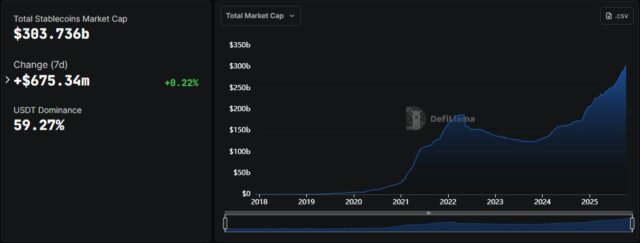
In 2025, stablecoin adoption in emerging markets has evolved from a niche experiment into a mainstream movement. Because many countries face persistent inflation and currency instability, citizens are turning to dollar-pegged digital assets for protection. Consequently, stablecoins current market cap is around $303B and are now used for remittances, e-commerce, and even payrolls.
However, this rapid growth raises concerns about stability, regulation, and financial sovereignty. Therefore, understanding how do stablecoins work for beginners and what makes them safe is essential. Moreover, this article explores the stablecoin regulation risks and benefits shaping the global outlook for 2025.
How Do Stablecoins Work (for Beginners)
To begin with, stablecoins are digital tokens designed to maintain a fixed value, typically pegged to fiat currencies like the U.S. dollar. Because they combine the reliability of traditional money with blockchain’s speed, they serve as a bridge between banks and crypto markets.
There are three main types:
- Fiat-backed stablecoins: Each token is backed 1:1 with cash or Treasury bills.
- Crypto-collateralized stablecoins: They use crypto assets like ETH as reserves, often over-collateralized for stability.
- Algorithmic stablecoins: These rely on supply-demand algorithms to hold the peg, though they remain riskier.
In short, when you send 1 USD-pegged stablecoin, the issuer holds a corresponding dollar in reserve. As a result, users enjoy stable value while benefiting from the borderless nature of digital assets.
Benefits of Stablecoins in 2025
Financial Inclusion
Importantly, stablecoins offer financial access to millions who lack traditional banking services. According to the World Bank, over 1.4 billion adults remain unbanked, yet smartphone penetration keeps growing. Consequently, stablecoins allow people to save, invest, and transact globally without intermediaries.
Faster Cross-Border Payments
Traditional transfers can take days and cost up to 7% in fees. In contrast, stablecoin transactions often clear in seconds at a fraction of the cost. Therefore, they are transforming the remittance industry in countries like the Philippines and Kenya.
Dollar Demand and Economic Stability
Furthermore, stablecoins contribute to the global demand for U.S. dollars. J.P. Morgan predicts they could add $1.4 trillion in dollar demand by 2027. For emerging markets, this trend offers both opportunity and risk — stronger currency access but weaker local monetary control.
Innovation and Programmability
Beyond payments, stablecoins also power new applications in DeFi and Web3. For example, they can automate salaries, enable tokenized investments, or support instant settlement for small businesses. Consequently, they have become the foundation for digital commerce growth worldwide.
Risks and Challenges
Reserve Transparency
One major risk is inadequate reserve disclosure. Without frequent, independent audits, users cannot verify if tokens are fully backed. Hence, trust becomes fragile — as seen in the 2022 TerraUSD collapse.
Liquidity and Run Risk
Additionally, market stress can trigger mass redemptions. When too many users cash out at once, issuers holding longer-term assets may face liquidity shortages. Therefore, maintaining robust cash buffers is critical.
Regulatory Fragmentation
Regulation remains uneven across jurisdictions. The U.S. GENIUS Act (2025) and Europe’s MiCA framework introduced standardized reserve rules, but many developing countries still lack similar oversight.
Bank Disintermediation
Moreover, analysts warn that stablecoins could drain deposits from traditional banks. Standard Chartered projects emerging-market banks might lose $1 trillion in liquidity over the next three years.
Global Adoption Trends
Emerging Economies Take the Lead
Latin America and Africa are leading adoption. For instance, Brazil’s PIX network now integrates stablecoin settlements, while Nigeria’s fintech startups use USDC for cross-border trade. Consequently, these countries are redefining how money flows regionally.
Institutional Integration
At the same time, large banks are testing G7-backed stablecoins to improve transaction efficiency. This collaboration suggests stablecoins are no longer competitors to banks but tools for modernization.
Regulatory Evolution
Meanwhile, the EU’s MiCA framework and Hong Kong’s Stablecoin Ordinance have become global benchmarks for responsible oversight. These developments highlight how regulatory clarity can boost investor confidence.
Strategies for Safe Growth
Given the potential risks, sustainable progress requires structured safeguards. Below are key strategies to ensure responsible stablecoin adoption in emerging markets 2025.
1. Real-Time Transparency and Audits
To begin with, issuers should publish real-time reserve data verified by independent auditors. For instance, Circle’s USDC reports monthly attestations, which build market confidence. Over time, on-chain proofs of reserves could become an industry norm.
2. Liquidity Buffers and Stress Tests
Furthermore, regulators should require stablecoin issuers to hold 20–30% of assets in short-term Treasuries or cash. Periodic stress tests would simulate redemption spikes, ensuring liquidity resilience during market shocks.
3. Coordinated Global Regulation
Because stablecoins operate across borders, unilateral policies are insufficient. The IMF now advocates for a global code of conduct aligned with FATF and Basel guidelines. Consequently, such alignment can reduce regulatory arbitrage and increase safety.
4. Collaboration with Central Banks
In addition, central banks should explore hybrid frameworks. For example, the Bank of England’s “Digital Sterling” pilot allows approved stablecoins to settle directly in reserve accounts, creating a bridge between private and public money.
5. Tiered Licensing Models
Moreover, regulators could introduce tiered licensing, giving small issuers sandbox flexibility while enforcing strict requirements on large global operators. This approach encourages innovation while minimizing systemic risk.
6. On-Chain Risk Monitoring
Equally important, blockchain analytics platforms like Elliptic and Chainalysis can detect suspicious transactions in real time. Integrating such tools supports compliance and protects financial stability.
7. Education and Consumer Awareness
Finally, promoting financial literacy is vital. Governments and fintechs must explain how do stablecoins work for beginners, clarify redemption rights, and outline potential risks. Informed users are far less likely to fall victim to scams or misinformation.
Final Thoughts
In conclusion, stablecoin adoption in emerging markets 2025 reflects both innovation and necessity. While stablecoins empower the unbanked and simplify global payments, unchecked expansion could introduce new vulnerabilities. Therefore, balancing innovation with oversight is critical.
As global regulators coordinate and technology matures, stablecoins will likely become part of mainstream finance. Ultimately, the promise of stability depends on one factor — trust. If transparency, compliance, and cooperation advance together, stablecoins could truly redefine the global financial landscape in 2025 and beyond.
Read Also: AI Agent Crypto Trading: A 2025 Review of the Top Tools
Disclaimer!! The information provided by CryptopianNews is for educational and informational purposes only. It should not be considered financial or investment advice. Cryptocurrency markets are highly volatile and speculative, and investing in them carries inherent risks. Readers are advised to conduct their own research and consult with a qualified financial advisor before making any investment decisions.

- Why Stablecoins Are a Growing Threat to Traditional Bank Deposits - January 28, 2026
- Rich Dad Poor Dad Author’s Bitcoin Loss: Capital Rotation Strategy Gone Wrong - January 25, 2026
- What is Corposlop in Crypto: Vitalik Buterin’s Warning About Centralized Crypto Platforms - January 21, 2026