

- Ethereum layer 2 future design challenges focus on achieving decentralization, interoperability, and long-term alignment with Ethereum’s core principles.
- Centralized sequencers and trusted bridges raise serious security concerns
- The debate could shape the future of Ethereum and billions in daily transactions
The Ethereum ecosystem is facing a fresh wave of debate after Vitalik Buterin raised concerns about how scaling solutions are evolving. In his recent remarks, he highlighted key flaws in ethereum layer 2 systems, especially around centralization and trust assumptions. These issues are not just technical—they impact security, user confidence, and even regulation. At the same time, industry leaders are divided. Some agree that change is overdue, while others believe the current model still works. So, what’s really going on, and why does it matter?
Why ethereum layer 2 Is Facing Criticism
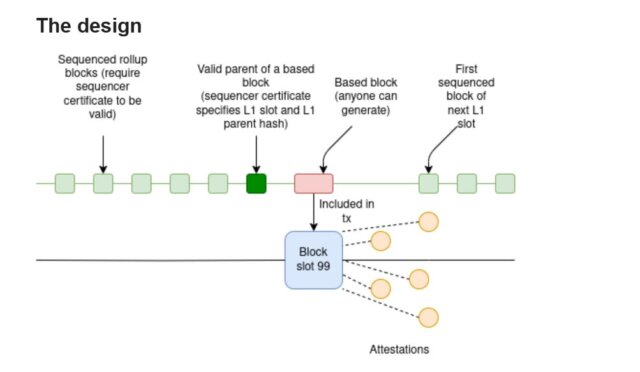
Ethereum Layer-2 solutions were designed to solve one big problem—scalability. They process transactions off the main chain, making the network faster and cheaper. However, Vitalik argues that many of these systems are drifting away from Ethereum’s core principle: decentralization. One major issue is centralized sequencers. These components control the order of transactions, and in many cases, a single entity runs them. As a result, this creates a single point of failure. If something goes wrong, the entire system can be disrupted. Another concern is trusted bridges. These bridges move assets between chains, but they often rely on trust rather than pure cryptographic proof. Therefore, users are exposed to risks like hacks or mismanagement. In a system meant to be trustless, this becomes a serious contradiction.
Industry Reactions and Ongoing Debate
The crypto community is not unified on this topic. Some builders, like Karl Floersch, agree with Vitalik’s concerns. They believe that the current design needs to evolve to better match Ethereum’s long-term vision. On the other hand, voices like Steven Goldfeder argue that the system is still effective. According to them, scaling is working, and millions of users benefit from faster and cheaper transactions daily. So, they see these trade-offs as necessary for growth. This split shows a deeper challenge. While innovation is moving fast, aligning it with core principles is not easy. Still, debates like this often lead to better solutions over time.
What This Means for Ethereum’s Future
The stakes are high. Billions of dollars in ETH move through Layer-2 networks every day. Because of this, even small weaknesses can have large consequences. If centralization continues, regulators may step in, adding pressure to the ecosystem. Moreover, users could lose trust if they feel the system is not as secure or decentralized as promised. That’s why Vitalik’s critique is so important—it pushes developers to rethink and improve. Looking ahead, we may see new designs that reduce reliance on centralized sequencers and eliminate trusted bridges. As a result, Ethereum could move closer to its original vision while still scaling effectively.
In conclusion, the conversation around ethereum layer 2 is far from over. Vitalik Buterin’s critique has sparked a necessary discussion about security, decentralization, and long-term sustainability. While opinions differ, one thing is clear—change is coming, and it will shape the future of Ethereum.
Disclaimer: CryptopianNews shares this for learning and info only. It’s not meant to be financial or investment advice. Crypto markets change a lot and move quickly. Investing in them can be risky. You should always look into things yourself. Talk to a trained financial advisor before making any choices about investing.
