
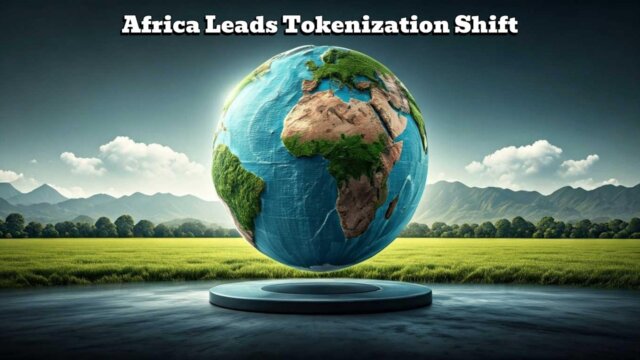
- IOTA has been active in Africa since 2017, focusing on commodity tokenization projects in Kenya and Rwanda.
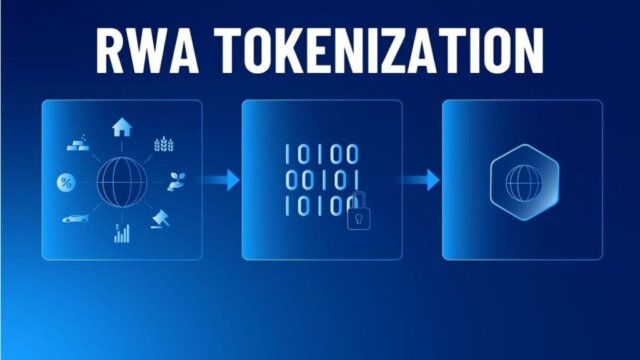
- RWA tokenization transforms tangible or intangible assets into digital tokens for secure recording and exchange on a blockchain.
- Africa holds vast potential for blockchain adoption due to its large commodity markets, fast-growing economies, and high levels of mobile technology usage.
Tokenization is quickly becoming one of the most significant developments in the world of blockchain technology, and Africa may be at the heart of its transformation. Dominik Schiener, the co-founder of IOTA, has recently drawn attention to how Africa’s commodity markets are already embracing tokenization. This innovation, known as Real-World Asset (RWA) tokenization, could potentially reshape global trade and finance, with experts projecting the market to reach a staggering $16 trillion by 2030.
What is Real-World Asset Tokenization?
At its core, RWA tokenization is the process of transforming tangible or intangible assets into digital tokens that can be securely recorded and exchanged on a blockchain. These assets can range from:
- Commodities like coffee, gold, and metals.
- Financial assets such as bonds, stocks, and trade receivables.
- Physical items like artwork or real estate.
By digitizing assets, tokenization enables faster transactions, greater transparency, and improved accessibility to global markets. For businesses and investors alike, this technology removes traditional barriers in trade and finance, creating more liquidity and efficiency. Unc, a blockchain enthusiast active on social platform X (formerly Twitter), captured the sentiment of many within the community: “RWA tokenization companies are becoming stronger. Regulation made tokenization the hard part.” In response, IOTA co-founder Dominik Schiener emphasized that tokenization isn’t just theoretical—it’s already being applied in the real world.
IOTA’s Role in Africa’s Tokenization Efforts
Schiener highlighted that IOTA has been active in Africa since 2017, focusing on commodity tokenization projects in Kenya and Rwanda. He explained that the company is working to tokenize coffee, minerals like tantalum, and trade receivables, transforming them into digital assets that can be traded across borders. This is especially important for Africa because the continent is rich in natural resources and agricultural products, yet many of its economies face challenges related to inefficient trade processes, lack of transparency, and limited access to global financial systems. By leveraging IOTA’s blockchain technology, African businesses can:
- Digitize commodities to access more liquidity.
- Secure trade documents on a distributed ledger to reduce fraud and corruption.
- Facilitate international trade by linking export processes to global systems.
This marks a shift from blockchain being seen only as a tool for speculative trading to becoming a practical solution for real-world economic challenges.
Why Africa? A Continent of Untapped Opportunities
Africa holds vast potential for blockchain adoption due to its large commodity markets, fast-growing economies, and high levels of mobile technology usage. The continent is already a global leader in mobile payments, with platforms like M-Pesa revolutionizing digital finance in countries like Kenya. Now, tokenization could extend this digital transformation to the fields of:
- Agriculture: Tokenizing crops such as coffee and cocoa can provide farmers with faster payments and fairer pricing.
- Mining: Minerals like tantalum, cobalt, and gold can be digitized for transparent trading.
- Trade Finance: Tokenized trade invoices can help businesses secure financing that was previously inaccessible.
By focusing on Africa, IOTA and its partners are positioning the continent as a testing ground for scalable blockchain solutions that can later expand globally.
IOTA’s Unique Technology
Unlike many blockchains that rely on traditional mining, IOTA operates on a unique distributed ledger called the “Tangle.” Key advantages of the Tangle include:
- Zero transaction fees: Unlike traditional blockchains, IOTA does not charge for transactions, making it ideal for micro-payments.
- Scalability: The network becomes faster as more users join, removing congestion issues.
- Eco-friendly design: Its architecture requires significantly less energy than proof-of-work blockchains.
These features make IOTA particularly suitable for real-world applications, where frequent, low-cost transactions are essential.
The Rebased Upgrade
One of the most critical steps in IOTA’s journey toward enabling tokenization was the Rebased upgrade. This improvement allows businesses and governments to create fee-less and scalable tokens tied to real-world assets. Through the upgrade, tokens can be created for:
- Coffee exports
- Trade invoices
- Government bonds
These tokens can be used in financing, collateral management, and international trade, further integrating Africa into the global economy.
Trade Logistics Information Pipeline
A standout initiative in IOTA’s African journey is the Trade Logistics Information Pipeline (TLIP). This project digitizes export paperwork and secures it on IOTA’s ledger, ensuring transparency and reducing bureaucratic delays.
Key Achievements of TLIP:
- Kenya Integration: TLIP is already connected with KenTrade, Kenya’s national customs system.
- Global Expansion: The project has evolved into the Trade Worldwide Information Network (TWIN).
- Global Partnerships: TWIN launched on May 8, backed by heavyweights like the World Economic Forum, Tony Blair Institute, and TradeMark Africa.
The objective is to create a global system for open, connected, and secure trade data, with Kenya and Rwanda serving as the first implementation zones.
Financial Commitment: $10 Million Ecosystem Fund
To accelerate its projects, the IOTA Ecosystem Foundation pledged $10 million in 2024. This fund is dedicated to supporting TradeTech initiatives across Africa and the United Arab Emirates (UAE).
The money will be directed toward:
- Startups developing tokenization solutions.
- Pilot programs testing blockchain trade models.
- Accelerators that nurture innovation in tokenization and digital finance.
By investing in the future of tokenization, IOTA is positioning itself as both a technological leader and a financial backer of blockchain adoption in Africa.
Global Implications of Africa’s Tokenization
The success of IOTA’s projects in Africa could set a precedent for other regions. If commodity tokenization and trade digitalization prove effective, the model could expand to Asia, Latin America, and beyond. Moreover, the shift toward transparent, digitized trade aligns with the global push for sustainability and efficiency. Tokenized assets could reduce corruption, improve financial inclusion, and make global trade more resilient to disruptions. Experts believe that by 2030, tokenization could unlock trillions of dollars in previously inaccessible value, creating new investment opportunities worldwide.
The vision of IOTA’s co-founder Dominik Schiener highlights a future where Africa’s vast commodities—from coffee beans to tantalum minerals—are seamlessly integrated into the global digital economy. By leveraging tokenization, Africa has the potential not only to boost its trade efficiency but also to unlock new sources of growth and financial inclusion. As the world edges closer to a tokenized future, IOTA’s pioneering projects in Africa stand as a proof of concept that blockchain technology can solve real-world challenges, not just exist as a speculative asset class. With a $10 million commitment, groundbreaking partnerships, and scalable technology, IOTA is not only betting on Africa but also laying the foundation for a global shift toward digital trade systems. The journey is still in its early stages, but one thing is clear: tokenization is no longer a concept of the future—it’s happening now in Africa.
Disclaimer: CryptopianNews shares this for learning and info only. It’s not meant to be financial or investment advice. Crypto markets change a lot and move quickly. Investing in them can be risky. You should always look into things yourself. Talk to a trained financial advisor before making any choices about investing.

- Bitcoin at a Turning Point: Investor Behavior Shifts - January 30, 2026
- Cryptocurrency Market Shock: $550M Liquidations in One Day - January 26, 2026
- Bitcoin Could Follow Silver’s Path, Says Top Analyst — What It Means for BTC Price - January 25, 2026