
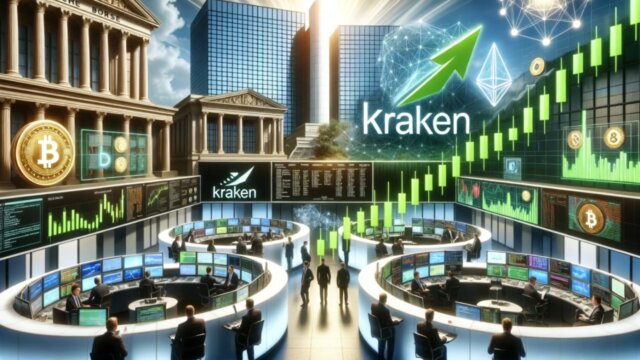
- The Kraken deal reveals how tradfi crypto integration can scale securely, blending institutional finance with crypto infrastructure worldwide.
- The deal focuses on custody, settlement, and tokenized assets within a unified financial system.
- Traditional finance and crypto are no longer separate—market infrastructure is actively merging.
The recent move by Deutsche Börse to acquire a stake in Kraken isn’t just another headline—it’s a shift in how global finance is being built. With a $200 million investment for roughly 1.5% equity, the implied valuation of Kraken climbs to $13.3 billion. More importantly, this deal shows how fast tradfi crypto integration is becoming a real, working system rather than just an idea. This isn’t about hype or experimentation anymore. Instead, it’s about infrastructure. Deutsche Börse is effectively betting that the future of markets lies in combining traditional securities with digital assets in one seamless pipeline. And that has big implications for liquidity, regulation, and how investors interact with markets.
Why tradfi crypto integration Is Accelerating Now
The timing of this deal is not random. Over the past few years, regulatory clarity in Europe has improved, and institutional players have become more comfortable with digital assets. As a result, firms like Deutsche Börse are moving from “watching” to “building.” This investment extends a previous agreement from December 2025, which already covered custody, settlement, and collateral management. Now, by taking equity in Kraken’s parent company Payward, Deutsche Börse is going deeper. It wants direct exposure and influence over how crypto infrastructure evolves alongside traditional markets. Moreover, the focus on tokenized assets is key. Tokenization allows real-world assets like stocks or bonds to exist on blockchain rails. Consequently, this reduces friction, speeds up settlement, and improves transparency. When both crypto and traditional assets operate within the same system, the boundaries between them begin to fade.
What This Means for Market Structure and Liquidity
At its core, this deal is about “market plumbing.” That may sound boring, but it’s actually where the biggest changes happen. When settlement systems, custody solutions, and trading platforms align, liquidity improves across the board. Right now, traditional markets and crypto markets operate separately. However, with initiatives like this, they are slowly converging. For example, imagine a system where Bitcoin and equities settle through the same infrastructure. This would allow capital to move more freely between asset classes. Additionally, unified systems reduce counterparty risk and improve efficiency. Instead of waiting days for settlement, transactions could finalize almost instantly. This shift could attract more institutional investors who demand reliability and speed. Even though Kraken has faced challenges, including IPO delays and external noise, this investment shows confidence from a major European exchange group. It signals that long-term infrastructure matters more than short-term headlines.
The Bigger Picture: Where Finance Is Headed
Looking ahead, this move is part of a broader trend. Financial giants are no longer asking whether crypto fits into the system—they are actively building systems where it belongs. This is the essence of tradfi crypto integration, where both worlds share the same rails. As more institutions follow this path, we could see a future where the distinction between “crypto” and “traditional finance” becomes irrelevant. Instead, everything will simply be part of a unified financial ecosystem. Investors won’t need separate platforms or accounts. They will access all assets through one interface. Furthermore, regulatory oversight will likely become more streamlined. When assets exist within the same framework, compliance becomes easier to manage. This could reduce uncertainty and encourage broader adoption among conservative investors. Ultimately, deals like this are not about short-term gains. They are about building the foundation for the next generation of financial markets.
Conclusion
The Deutsche Börse–Kraken deal is a clear signal that financial infrastructure is evolving fast. With a $200 million investment and a focus on custody, settlement, and tokenization, this move goes beyond simple collaboration. It represents a structural shift in how markets operate. As systems merge and liquidity pools expand, the line between crypto and traditional assets will continue to blur. This is not speculation—it’s already happening. And as tradfi crypto integration deepens, the future of finance will likely be unified, faster, and far more efficient than today’s fragmented landscape.
Disclaimer: CryptopianNews shares this for learning and info only. It’s not meant to be financial or investment advice. Crypto markets change a lot and move quickly. Investing in them can be risky. You should always look into things yourself. Talk to a trained financial advisor before making any choices about investing.

- Bitcoin Highest Weekly Close Signals Bullish Momentum - July 20, 2026
- Biggest Crypto Catalysts to Watch Before the Next Rally - July 18, 2026
- Stock Market Open Could Decide Bitcoin’s Next Move - July 2, 2026