
Key Insights
- Iran’s alternative crypto economy reached $7.8 billion in 2026, reflecting rapid expansion amid sanctions pressure.
- Bitcoin mining converts subsidized electricity into borderless digital value.
- State-linked entities reportedly control a significant share of large crypto flows.
- Stablecoins such as USDT support cross-border settlements outside traditional banking rails.
- Retail adoption is rising as citizens hedge against inflation and currency depreciation.
The Rise of Iran Crypto Economy Growth
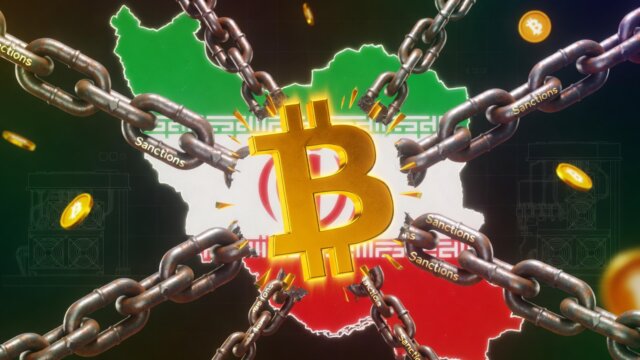
Iran’s digital asset sector has expanded sharply over the past few years. According to recent industry reporting, the country’s alternative crypto economy now stands near $7.8 billion. This figure signals accelerating Iran crypto economy growth despite tightening Western sanctions.
Because international banking access remains restricted, policymakers have explored nontraditional settlement mechanisms. Consequently, crypto infrastructure has evolved from a fringe activity into a strategic economic pillar. At the same time, domestic demand has reinforced this expansion.
Inflation continues to pressure the Iranian rial. Therefore, many households convert savings into Bitcoin or stablecoins to preserve purchasing power. Moreover, peer-to-peer trading volumes increase whenever political tensions intensify. As a result, crypto adoption now reflects both survival instincts and national strategy.
Iran’s position in global Bitcoin mining also remains material. Estimates suggest the country contributes a measurable share of global hashrate. Although exact figures fluctuate, analysts consistently rank Iran among notable mining jurisdictions. Thus, mining has become more than a speculative enterprise. It now functions as a macroeconomic lever.
Energy Arbitrage as National Policy
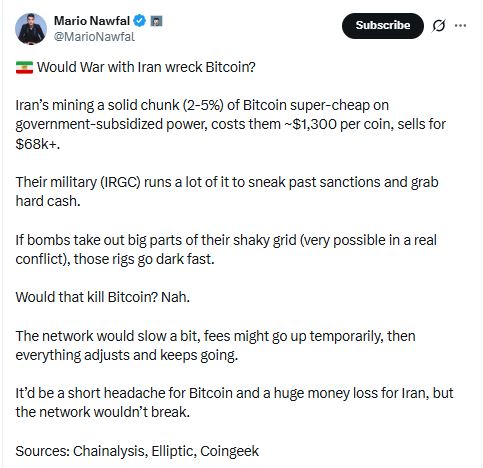
According to a report, Iran’s mining a solid chunk (2-5%) of Bitcoin super-cheap on government-subsidized power, costs them ~$1,300 per coin, sells for $68k+. Iran legalized cryptocurrency mining in 2019 and introduced a licensing framework. Under this structure, miners access subsidized electricity at regulated tariffs. In exchange, authorities require many operators to sell mined Bitcoin through official channels. Consequently, the state captures a portion of the generated digital assets.
This structure effectively converts low-cost energy into globally transferable value. Instead of exporting oil alone, Iran exports computational work embedded in Bitcoin. Therefore, mining transforms stranded energy into a sanctions-resistant financial instrument.
How Iran Uses Crypto to Evade Sanctions
Blockchain as a Settlement Alternative
The Iran Bitcoin mining sanctions bypass strategy centers on financial substitution. Since Iranian banks cannot freely access SWIFT, authorities look for parallel rails. Bitcoin transactions settle directly on a decentralized ledger. Therefore, counterparties can exchange value without relying on U.S.-controlled intermediaries.
In practice, state-affiliated entities accumulate mined Bitcoin and, at times, convert it into stablecoins. Stablecoins provide dollar-denominated exposure without direct contact with the U.S. banking system. As a result, cross-border suppliers can receive payment with fewer friction points.
Furthermore, wallet-based transfers bypass correspondent banking chains. Although blockchain analytics firms monitor suspicious flows, decentralized architecture complicates enforcement. Consequently, regulators face structural limits when attempting to block every transaction path.
Institutional and Retail Overlap
Reports indicate that state-linked actors account for a large portion of high-value crypto flows. However, ordinary citizens also drive significant transaction volume. This overlap creates a blended ecosystem where national policy and household necessity intersect.
For example, when currency volatility spikes, exchange outflows often rise. Users shift funds into self-custodied wallets to reduce counterparty risk. Meanwhile, institutional players use similar blockchain tools for cross-border trade. Therefore, the same infrastructure supports both personal hedging and strategic settlement.
Because of this dual use, distinguishing purely civilian flows from state-directed activity becomes complex. Nevertheless, analysts consistently cite crypto as a meaningful workaround in sanctioned environments. Thus, the question of how Iran uses crypto to evade sanctions remains central to policy debates.
Infrastructure Risks and Enforcement Pressure
Energy Constraints and Operational Vulnerabilities
Bitcoin mining requires substantial electricity. Iran’s subsidized power model creates cost advantages, yet it also strains the national grid. During peak consumption seasons, authorities sometimes restrict licensed mining operations. Therefore, mining output can fluctuate in response to domestic energy shortages.
Additionally, geopolitical tensions introduce further risk. If external actors target energy infrastructure, mining capacity could decline rapidly. Consequently, the Iran Bitcoin mining sanctions bypass strategy depends heavily on grid stability. Without consistent power, hashrate contributions would contract.
Moreover, international regulators continue to refine blockchain surveillance techniques. Advanced analytics track wallet clusters and transaction patterns with increasing precision. As enforcement tools improve, sanctioned entities must adapt continuously. Hence, the long-term sustainability of large-scale evasion remains uncertain.
Strategic Implications for Global Crypto Policy
Iran’s experience illustrates how decentralized finance intersects with geopolitics. As more sanctioned states explore digital assets, policymakers will likely tighten compliance standards. Exchanges may implement stricter know-your-customer protocols. Furthermore, stablecoin issuers could face mounting pressure to freeze suspicious wallets.
Nevertheless, decentralized networks cannot be shut down easily. Bitcoin’s protocol operates independently of any single jurisdiction. Therefore, states that control energy resources can still participate in mining. This structural resilience explains why Iran crypto economy growth persists despite mounting scrutiny.
At the same time, global markets observe these developments closely. Investors, regulators, and security agencies all assess the precedent Iran sets. Consequently, the evolution of this strategy will shape broader debates about sanctions effectiveness in the digital age.
Read Also: Tether Freezes $544 Million for Turkey: Inside the $4.2B Global Crackdown on Illegal Crypto
Disclaimer!! CryptopianNews provides this information for educational and informational purposes only. You should not consider it financial or investment advice. Cryptocurrency markets are highly volatile and speculative, and they carry inherent risks. We advise readers to conduct their own research and to consult with a qualified financial advisor before making any investment decisions.

- QuFi Post-Quantum Verification Platform: A New Infrastructure Layer for Digital Assets — A Post-Quantum Verification Platform for Digital Assets - September 4, 2026
- Polygon Leads as Visa Expands Stablecoin Network for Cross-Border Payments - April 29, 2026
- Michael Saylor Quantum Computing Bitcoin Threat: Is Bitcoin Ready? - April 24, 2026