

Important Bullet Points
- Kindly MD received a Nasdaq notice for not meeting required minimum bid price after its stock stayed under $1.00 for over 30 trading days, creating a delisting notice.
- The company has until June 8, 2026 to bring its share price above $1.00 for 10 consecutive business days to regain compliance.
- If compliance is not achieved, Nasdaq may transfer the stock to the Nasdaq Capital Market or delist it, possibly after a reverse stock split.
- Stock weakness stemmed from equity offerings tied to its Bitcoin treasury strategy, which pressured market perception and price performance.
- The NAKA price slump reflects broader challenges for bitcoin treasury companies facing delisting risks, where volatile strategies intersect listing rules.
Why Kindly MD Bitcoin Stock Is Facing Nasdaq Delisting
The kindly md bitcoin stock delisting nasdaq development highlights a complex situation where a company’s strategic shift toward Bitcoin has collided with traditional stock listing requirements. Below, we explore why this Nasdaq notice matters and how it could affect investors who watch nasdaq minimum bid price requirement stocks and other Bitcoin-oriented firms.
Nasdaq’s Minimum Bid Price Rule and the Deficiency Notice
To maintain a Nasdaq listing, a company must keep its share price at or above $1.00 for continued listing. When a stock stays below this threshold for 30 consecutive business days, the exchange issues a deficiency notice that marks the beginning of a compliance period. If this rule is not met, the company must act quickly.
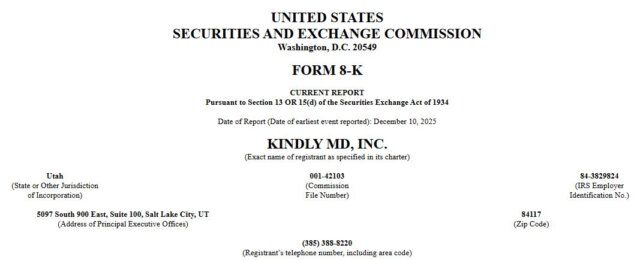
Kindly MD, trading under the ticker NAKA, recently received such a notice because its stock price remained below $1.00 for more than 30 trading days. Nasdaq rules allow a 180-day window for relief, during which the company must show its closing price at $1.00 or higher for at least ten consecutive business days.
Understanding the Compliance Window
Within the allotted period ending June 8, 2026, NAKA must regain compliance by lifting its share price above $1.00 for a specified consecutive number of days. If this condition is not satisfied, Nasdaq may either transfer the stock to its Capital Market or proceed with delisting outright. Under certain conditions, the company could implement measures like a reverse stock split to raise its listed price.
Transfer to Nasdaq Capital Market
When companies fail to meet the minimum bid price requirement, Nasdaq sometimes offers an alternative through the Capital Market listing. This alternative route allows firms to remain listed provided they meet other criteria, albeit under a lower tier of Nasdaq’s market structure.
Why the Stock Price Slumped
Kindly MD’s stock price weakness stems partially from strategic decisions tied to its corporate Treasury and equity programs. The company’s aggressive Bitcoin accumulation strategy included a file for a $5 billion equity offering to fund BTC purchases. Following that news, the share price declined significantly, reflecting investor concerns about dilution and strategy risk.
Sequentially, when discounted shares from private investment in public equity (PIPE) offerings became tradable, market liquidity increased but did not support price strength. Those details created pressure on the share price and ultimately contributed to the Nasdaq notice.
Dilution and Market Sentiment
Equity offerings and discounted PIPE share releases often weigh on market sentiment. Even if strategic in intent, these moves can dilute existing shareholders and suppress the stock’s trading price. This dynamic was evident with NAKA, where share weakness persisted.
Nasdaq Rules in Perspective
The minimum bid price rule is part of Nasdaq’s broader effort to maintain trading quality and investor assurance. Similar situations have unfolded across other companies that have received deficiency letters for ADRs or common stock trading below the required threshold. Each company then faces the same 180-day compliance period to rectify its bid price.
For example, traditional firms like Click Holdings and others have faced identical compliance timelines when their share prices fell below $1.00. These cases illustrate that Nasdaq’s enforcement is systematic and consistent.
What Happens if Delisting Occurs
Should NAKA fail to meet the minimum bid price requirement within the compliance period, Nasdaq could start the delisting process. The stock might be moved off the primary Nasdaq exchange or transferred to a different market tier that has less stringent price requirements. Investors should be aware that delisting often triggers liquidity declines and visibility loss among institutional holders.
Broader Implications for Bitcoin Treasury Stocks
The kindly md bitcoin stock delisting nasdaq story emphasizes the broader pattern where companies that adopt Bitcoin treasury strategies must balance innovation with basic regulatory obligations. Firms that accumulate digital assets may sometimes misalign short-term share performance with long-term strategic goals. As a result, other bitcoin treasury companies facing delisting risks might face similar regulatory scrutiny if they cannot maintain stable share prices.
This tension illustrates a key point: while blockchain-related holdings may attract strategic interest, they do not exempt companies from meeting conventional listing requirements. Investors increasingly watch these companies for both BTC exposure and adherence to exchange rules.
Managing Expectations as an Investor
For investors tracking Nasdaq-listed entities with significant Bitcoin positions, it is essential to monitor both price compliance deadlines and corporate actions that may influence trading performance. Failing to meet Nasdaq criteria can lead to delisting, which often erodes share liquidity and market confidence.
Read Also: Bitcoin Price Prediction: Why Veteran Traders Warn of Major Correction
Disclaimer!! The information provided by CryptopianNews is for educational and informational purposes only. It should not be considered financial or investment advice. Cryptocurrency markets are highly volatile and speculative, and investing in them carries inherent risks. Readers are advised to conduct their own research and consult with a qualified financial advisor before making any investment decisions.

- QuFi Post-Quantum Verification Platform: A New Infrastructure Layer for Digital Assets — A Post-Quantum Verification Platform for Digital Assets - September 4, 2026
- Polygon Leads as Visa Expands Stablecoin Network for Cross-Border Payments - April 29, 2026
- Michael Saylor Quantum Computing Bitcoin Threat: Is Bitcoin Ready? - April 24, 2026