
Choose a section or paragraph
Key developments:
- Justin Sun invested approximately $45 million in World Liberty Financial before their relationship deteriorated.
- Sun filed a lawsuit in April 2026, alleging fraud and the unlawful freezing of his WLFI tokens.
- World Liberty responded with a defamation lawsuit in May, accusing Sun of conducting a public smear campaign.
- In November, Sun sought approximately $263,821 in sanctions over alleged disclosure problems involving World Liberty’s UAE connections.
- On November 28, Sun called for exchanges to delist WLFI after the token fell more than 50% in 24 hours.
How a $45 Million Investment Turned Into a Legal Battle
The relationship between Justin Sun and World Liberty Financial (WLF) once represented a significant partnership between cryptocurrency and politically connected finance. However, that relationship has developed into one of the industry’s most closely watched legal disputes.
Sun, the founder of the Tron blockchain, initially supported the Trump family-linked cryptocurrency venture through a substantial investment. According to court reporting, he purchased approximately $45 million worth of WLFI tokens and received an additional allocation connected to his advisory role.
Initially, the partnership appeared mutually beneficial. Sun became one of the project’s prominent supporters, while World Liberty attracted attention from major cryptocurrency investors.
However, tensions emerged after WLFI became publicly tradable in September 2025. Sun subsequently alleged that World Liberty restricted his holdings without legitimate justification.
The dispute eventually reached a California federal court in April 2026.
What Justin Sun alleges about frozen WLFI tokens
Sun’s complaint argues that World Liberty secretly implemented technical restrictions that prevented him from transferring or selling his tokens.
Furthermore, he claims the restrictions undermined his ownership rights and prevented him from participating in governance decisions.
His legal allegations include fraud in the inducement, breach of contract, conversion, and unjust enrichment. He also claims the project threatened to burn his holdings, potentially destroying the associated assets.
These allegations form the foundation of the wider WLFI token fraud allegations by Justin Sun.
However, World Liberty has disputed his position. The company maintains that its token-sale terms disclosed its authority to restrict certain holdings.
Consequently, the central legal question concerns whether the project’s contractual provisions justified the restrictions and whether its actions complied with applicable law.
World Liberty Financial’s Defamation Suit Against Sun
The conflict intensified on May 4, 2026, when World Liberty Financial filed a defamation lawsuit against Sun in Florida.
The company accused him of launching a public campaign intended to damage its reputation and undermine investor confidence.
According to the company’s allegations, Sun improperly transferred governance-enabled WLFI tokens to Binance. It also accused him of short-selling the token to benefit from falling prices.
World Liberty further argued that Sun violated contractual obligations associated with his token purchases.
Sun rejected the accusations and characterized the countersuit as a publicity stunt. Therefore, the World Liberty Financial defamation suit against Sun introduced a second legal battle alongside his original complaint.
Two competing versions of the same dispute
The lawsuits present sharply different interpretations of the relationship.
| Justin Sun’s position | World Liberty’s position |
|---|---|
| Tokens were unlawfully frozen | Restrictions were contractually permitted |
| Ownership and governance rights were violated | Sun breached token-sale obligations |
| The project made misleading representations | Sun conducted a smear campaign |
| Restrictions threatened his investment | His public statements damaged the project |
Neither side’s allegations should be treated as proven misconduct. Ultimately, judicial findings and supporting evidence will determine the outcome.
Moreover, the competing lawsuits raise broader questions about investor protections, token governance, and the legal responsibilities of decentralized finance projects.
The November sanctions dispute adds another complication
In November, the dispute acquired another legal dimension involving World Liberty’s corporate ownership disclosures.
Sun sought approximately $263,821 in sanctions against the company and its lawyers. He alleged that World Liberty initially disclosed Florida as its sole citizenship before identifying 22 individuals and entities in its ownership chain, including connections to the United Arab Emirates.
The disclosure matters because corporate citizenship can affect federal court jurisdiction.
Sun argued that World Liberty should have disclosed this ownership information earlier. Meanwhile, the company reportedly maintained that its lawyers learned about the additional citizenship information later.
The court has not established that the company intentionally concealed its ownership structure.
According to November 2026 reporting, Sun planned to refile his underlying lawsuit in California state court after the sanctions dispute was resolved. A December 10 hearing was reported for the sanctions matter.
This development could influence where and how the original allegations proceed.
WLFI Token Freefall: Why Sun Is Demanding Delisting
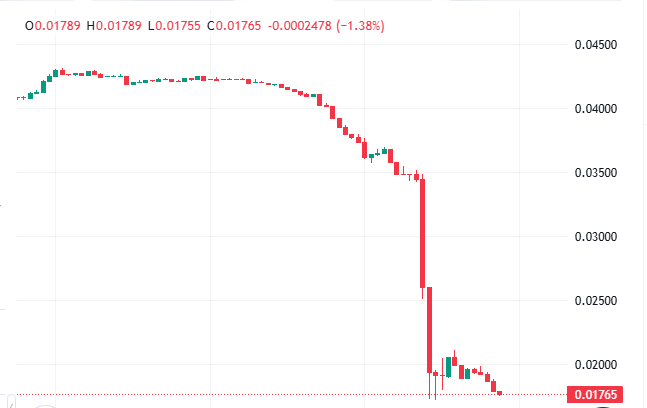
The financial consequences have become increasingly difficult for World Liberty Financial to ignore. On November 28, Sun publicly urged cryptocurrency exchanges to delist WLFI and introduce stronger protective measures.
His demands included exchange-issued warnings, restrictions on deposits, and greater transparency regarding the movement of project funds.
The timing was significant because WLFI experienced a severe market decline.
The strategic reserve sale raises additional questions
Another development attracted attention during the market turmoil. A World Liberty strategic reserve wallet reportedly sold approximately $20 million in cryptocurrency at a substantial loss.
This transaction intensified concerns about the project’s treasury management and liquidity position.
Nevertheless, investors should distinguish between verified wallet transactions and assumptions about their purpose. A large sale does not automatically demonstrate insolvency, financial misconduct, or an intention to manipulate prices.
The timing, however, makes transparency particularly important.
Investors need clearer information about the reserve’s composition, transaction objectives, remaining assets, and potential consequences for WLFI holders.
Furthermore, exchange delisting could reduce trading access and liquidity. If major platforms restrict deposits or remove trading pairs, holders may encounter additional difficulties when managing their positions.
Sun’s demands therefore extend beyond his personal legal dispute. They also challenge exchanges to evaluate the risks associated with continued support for the token.
The next important indicators will include exchange responses, wallet activity, liquidity changes, and official statements from World Liberty Financial.
For investors, the distinction between allegations and independently verified financial information remains essential. In particular, a falling token price does not establish fraud, just as a lawsuit does not establish liability.
What WLFI investors should monitor:
- Whether major exchanges respond to Sun’s delisting demands.
- Whether World Liberty provides a detailed explanation of its reserve-wallet transactions.
- Whether the courts accept Sun’s jurisdictional arguments.
- Whether the company successfully defends its token-freezing provisions.
- Whether WLFI recovers liquidity and investor confidence following the selloff.
These developments could determine whether the dispute remains primarily a legal confrontation or develops into a wider crisis of confidence for the project.
External Links and Research Sources
- Cointelegraph – Justin Sun calls for Trump family-linked WLFI token to be delisted (November 28, 2026).
- CoinDesk – Justin Sun seeks sanctions against World Liberty Financial over UAE ties.
- Reuters – World Liberty Financial sues Justin Sun for defamation.
- Reuters – Justin Sun takes World Liberty Financial to court.
- Sun v. World Liberty Financial – Complaint and legal allegations.
Read Also: Developer Accuses Trump-Linked WLFI of ‘Stealing’ Tokens in Crypto Scandal
Editorial accuracy note: The reported WLFI price of $0.01923 and decline of more than 50% are snapshots from the November 28 Cointelegraph report, not guaranteed live prices. The legal allegations remain disputed, and no finding of fraud or defamation is established by the reporting cited here.

- Justin Sun World Liberty Financial Lawsuit: Fraud Allegations, Lawsuits, and a Token in Freefall - November 28, 2026
- Ethereum Price Prediction: What Whales, Institutions and Crypto Influencers Expect Next - November 26, 2026
- Bitcoin Falls Below $60,000 Again as $4.7 Billion ETF Outflows Shake Investor Confidence - November 24, 2026